Council & cemetery/churchyard compliance • professional, proportionate, documented
Qualified memorial safety inspections delivered sensitively, backed by standards.
Councils should engage experienced memorial safety inspectors who specialise in assessing and fixing memorials of all sizes, rather than relying on in house staff with no prior experience, to support compliance with recognised UK guidance and fixing standards.
GDPR note: The contact form below is designed to be GDPR friendly (clear purpose, minimal data, and linked privacy notice).
Why experienced inspectors
Subtle defects are easy to miss until an incident occurs.
Memorial instability is not always obvious. Hidden or developing defects can include foundation failure, corroded fixings, weak joints, poor prior repairs, or ground movement and subsidence.
- Avoid over-caution: unnecessary laying down of stable memorials can cause distress to families and additional restoration costs.
- Avoid under-assessment: missing genuine instability increases the risk of serious harm and exposes the council to legal liabilities.
- Maintain trust: consistent methods and clear documentation reduce complaint risk and reputational harm.
Competence & credibility
Accreditation led practice with defensible outcomes.
Experienced inspectors—often accredited through schemes such as SQA, BRAMM or NAMM—apply consistent, repeatable methods. We identify immediate hazards, recommend appropriate remedial fixes, and prioritise safety while respecting the cemetery environment.
What we deliver
Commercial-grade inspection, testing and make-safe services
A structured programme that protects the public, supports cemetery operations, and provides a robust audit trail.
Survey planning & prioritisation
Risk-based sequencing (older sections, soft ground, taller memorials, known subsidence hotspots).
Inspection & stability testing
Consistent method and recording to reduce subjective decisions and ensure fairness.
Immediate make-safe controls
Where required: cordons, notices, temporary supports or other controls documented and justified.
Remedial recommendations
Corrective actions aligned to memorial type, fixings, joints and ground conditions.
Reporting & audit trail
Inspection register, results, actions taken and re-check schedule.
Sensitive communications
Signage and family-facing wording that is clear, respectful, and complaint aware.
Structured testing schedule
Key benefits for council-managed cemeteries
- Enhanced public and staff safety — Regular testing identifies unstable memorials early.
- Compliance with legal and regulatory standards — Supports alignment with HSE guidance, MoJ recommendations, BS 8415, and the Health & Safety at Work etc. Act 1974.
- Reduced liability and financial risk — Proactive testing minimises claims, legal costs, and insurance impacts.
- Improved risk management and prioritisation — Focus resources on higher risk areas rather than reacting to isolated complaints.
- Consistency and fairness — Standardised methods reduce subjective decisions and complaint risk.
- Fewer unnecessary interventions — Competent assessment prevents laying down safe memorials.
- Better record-keeping and audit trail — Clear documentation evidences due diligence.
- Positive community relations — Demonstrates respect for memorials and supports trust with families.
- Long-term cost savings — Early repairs are cheaper than emergency works.
- Sustainable cemetery management — Extends memorial lifespan and preserves heritage value.
For details on how we handle enquiries, see our Privacy Notice.
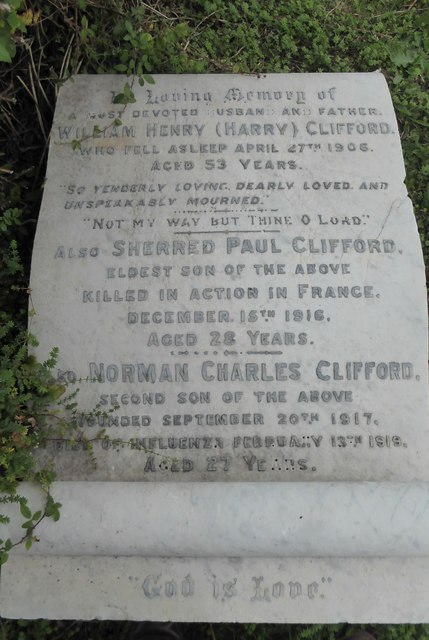
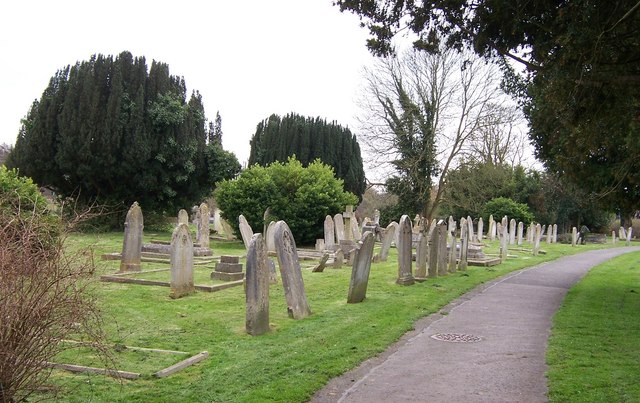
Real-world conditions
Examples of unsafe or high-risk memorial conditions (UK)
Replace these with your own authorised site photos if preferred.

Request a quote
Talk to a qualified memorial safety team
We only collect the information needed to respond to your enquiry. See our Privacy Notice.